PARTNER WITH US TO GROW YOUR MONEY TODAY...

The Truth About Budget Binders
A Realistic Look at Cash Envelope Budgeting
1/28/20253 min read
The Truth About Budget Binders: A Realistic Look at Cash Envelope Budgeting
Budget binders, especially those using cash envelopes, have gained popularity as a hands-on way to manage money. They promise financial discipline, better spending habits, and a clearer path to achieving financial goals. But are they as effective as they seem? Let’s dive into the pros and cons of using a budget binder to help you decide if it’s the right tool for your financial journey.
What Is a Budget Binder?
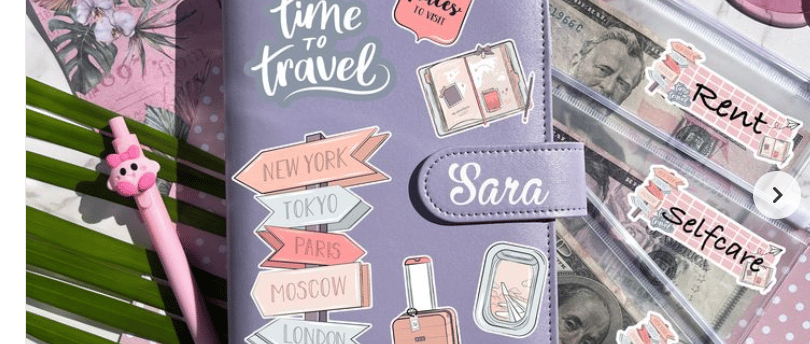
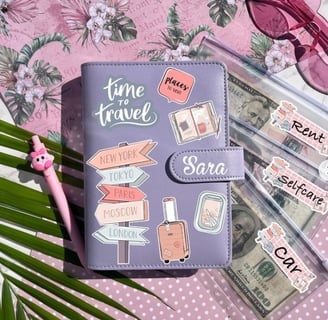
A budget binder is a physical system for managing your money. Here’s how it works:
Categorize Your Spending: Divide your expenses into categories like groceries, entertainment, transportation, and bills.
Allocate Cash: Assign a specific amount of cash to each category based on your budget.
Use Only What’s in the Envelope: Once the cash in an envelope is gone, you can’t spend more in that category until the next budgeting period (e.g., the next month).
The Pros of Using a Budget Binder
1. Promotes Financial Discipline
How it helps: Using cash forces you to stick to your budget because you can’t overspend once the envelope is empty.
Why it works: Physically seeing and handling money makes spending feel more real than swiping a card.
2. Reduces Impulse Spending
How it helps: When you’re limited to the cash in your envelopes, you’re less likely to make unplanned purchases.
Why it works: The tangible nature of cash makes you think twice before spending.
3. Simplifies Budgeting
How it helps: Cash envelopes break down your budget into manageable, visual categories.
Why it works: It’s easy to track how much you’ve spent and how much you have left in each category.
4. Helps You Stay Debt-Free
How it helps: By avoiding credit card use, you’re less likely to accumulate debt.
Why it works: Cash-only spending ensures you live within your means.
5. Encourages Savings
How it helps: You can include an envelope for savings goals, like an emergency fund or vacation.
Why it works: Physically setting aside money makes saving feel more intentional.
The Cons
1. Inconvenient for Modern Spending
The issue: Many bills and expenses (e.g., online subscriptions, utilities) require digital payments.
The reality: You may still need to use a bank account or card for certain transactions, which complicates the cash-only system.
2. Risk of Loss or Theft
The issue: Carrying cash can make you vulnerable to theft or misplacing your money.
The reality: Losing an envelope means losing your budget for that category.
3. Limited Flexibility
The issue: If you run out of cash in one category but have extra in another, you can’t easily reallocate funds.
The reality: This rigidity can be frustrating if unexpected expenses arise.
4. Time-Consuming
The issue: Managing cash envelopes requires regular trips to the bank and careful tracking.
The reality: It’s more labor-intensive than using digital tools or apps.
5. Not Ideal for Large Expenses
The issue: Paying for big-ticket items (e.g., rent, car repairs) with cash isn’t always practical.
The reality: You may still need to rely on checks or electronic payments for larger transactions.
Who Should Use one?
Ideal for:
People who struggle with overspending or impulse purchases.
Those who prefer a hands-on, visual approach to budgeting.
Beginners looking to build better financial habits.
Not ideal for:
Individuals who primarily use digital payments or online banking.
Those with irregular income or expenses.
People who find carrying cash inconvenient or unsafe.
Tips for Making a Budget Binder Work for You
Combine Cash and Digital Tools: Use cash envelopes for discretionary spending (e.g., groceries, entertainment) and digital tools for bills and savings.
Start Small: Begin with a few categories and gradually expand as you get comfortable.
Stay Organized: Keep your binder and envelopes in a safe, accessible place.
Review Regularly: Adjust your budget and allocations based on your spending patterns and financial goals.
Be Realistic: Don’t expect perfection—budgeting is a learning process.
Is a Budget Binder Right for You?
Budget binders with cash envelopes can be a powerful tool for gaining control over your finances, but they’re not a one-size-fits-all solution. While they promote discipline and simplicity, they also come with limitations, especially in today’s digital world. The key is to weigh the pros and cons and decide if this method aligns with your lifestyle and financial goals.
If you’re someone who thrives on structure and enjoys a hands-on approach, a budget binder could be the game-changer you need. However, if you prefer convenience and flexibility, you might find digital budgeting tools more effective. Ultimately, the best budgeting system is the one you’ll stick to.